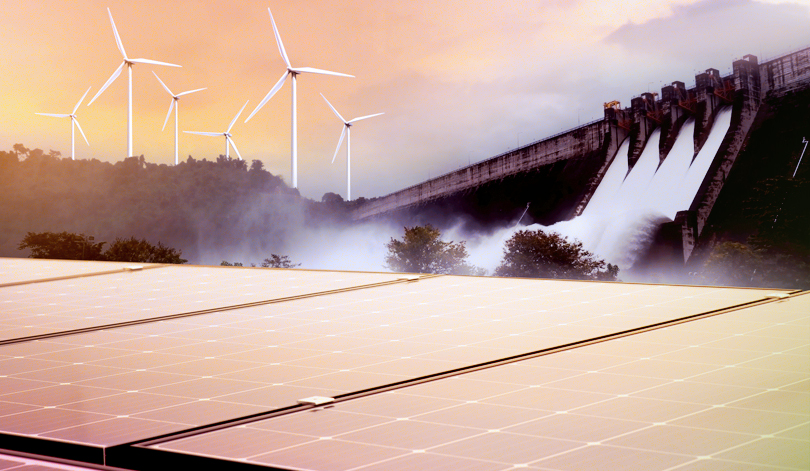
In order to accelerate Nigeria’s transition to clean energy, foster innovation, and prepare a new generation of experts for a future-ready energy sector, the Rural Electrification Agency and the United Nations Development Programme have inked an agreement.
The development was revealed in a statement released by the electrification agency on Friday. Energizing education and innovation, expanding skills development, supporting state-level policy reforms, unlocking innovative finance, and boosting research and public engagement are the five main pillars upon which the relationship will be built. It was formally announced at a signing ceremony in Abuja.
Abba Aliyu, REA’s managing director and chief executive officer, spoke at the ceremony and called the collaboration “a game-changer” for Nigeria’s aspirations in renewable energy. He emphasized that the program will expand on the Federal Government’s current efforts to scale up renewable energy, open doors for local manufacturing and content, and encourage sustainable investment.
“We want to establish Nigeria as a center for renewable energy, lower the cost of governance, and spur innovation, R&D,” Aliyu stated. He clarified that the program would increase local content and manufacturing capacity, draw in sustainable investments, and build on the Federal Government’s ongoing renewable energy scale-up programs.
Aliyu emphasized that in order to advance sustainability and reduce governance costs, it would be necessary to implement realistic strategies for local content, domestic manufacturing, and creative finance in order to unleash opportunities in clean energy.
“The REA-UNDP partnership pillars are specifically targeted at advancing ongoing efforts in the clean energy space in Nigeria, catalyzing opportunities across critical ecosystems and unlocking the full potential in innovation, R&D, local expertise, and sustainable investment,” the REA chief continued.
In addition to increasing access to clean energy, the partnership will spur innovation, youth development, and job creation, according to Ms. Elsie G. Attafuah, UNDP Resident Representative in Nigeria, who called it a daring move toward a more prosperous and sustainable Nigeria.
“This partnership with the Rural Electrification Agency is a daring move toward a Nigeria that is more affluent and sustainable. In addition to facilitating access to renewable energy, our collaboration will be a potent catalyst for job development, youth empowerment, and innovation. We are going beyond merely supplying energy to communities in order to unleash their full potential.
“We are igniting communities’ full potential, not just powering them,” she stated. In order to spur the creation of green jobs, Attafuah also emphasized the significance of integrating innovation and research into Nigeria’s educational institutions and turning the country’s natural resources, like lithium, into value-added renewable energy products like lithium battery systems.
The agreement calls for REA’s Energizing Education Program to incorporate UNDP’s University Innovation Pods and Maker Spaces in order to turn teaching hospitals and federal universities into centers of applied innovation. In order to solve young unemployment in the clean energy industry and build a national talent pipeline, the agreement will also expand REA’s NEXTGEN program, which aims to train a new generation of clean energy specialists.
UNDP and REA will offer technical and policy assistance at the subnational level to assist states in harmonizing their energy policies and putting the Electricity Act into effect. In terms of funding, both organizations will use blended finance strategies to draw in private investment, de-risk renewable energy projects, and fortify the Rural Electrification Fund.
In order to encourage policy support and consumer uptake of clean energy, they will also collaborate to create solid statistics on the advancements in sustainable energy and conduct public engagement activities. The partners claim that the project embodies both REA’s mission to provide sustainable energy to underprivileged and unserved communities and UNDP’s dedication to locally led, inclusive, and resilient development.
Both organizations were hopeful that the partnership will accelerate Nigeria’s transition to a greener economy and widespread access to clean energy.