The Director-General of the Nigeria Employers’ Consultative Association, Adewale Smatt-Oyerinde, stated on Channels Television’s The Morning Brief on Tuesday that states can no longer justify maintaining the ₦70,000 wage while citizens struggle with rising food and transportation costs.
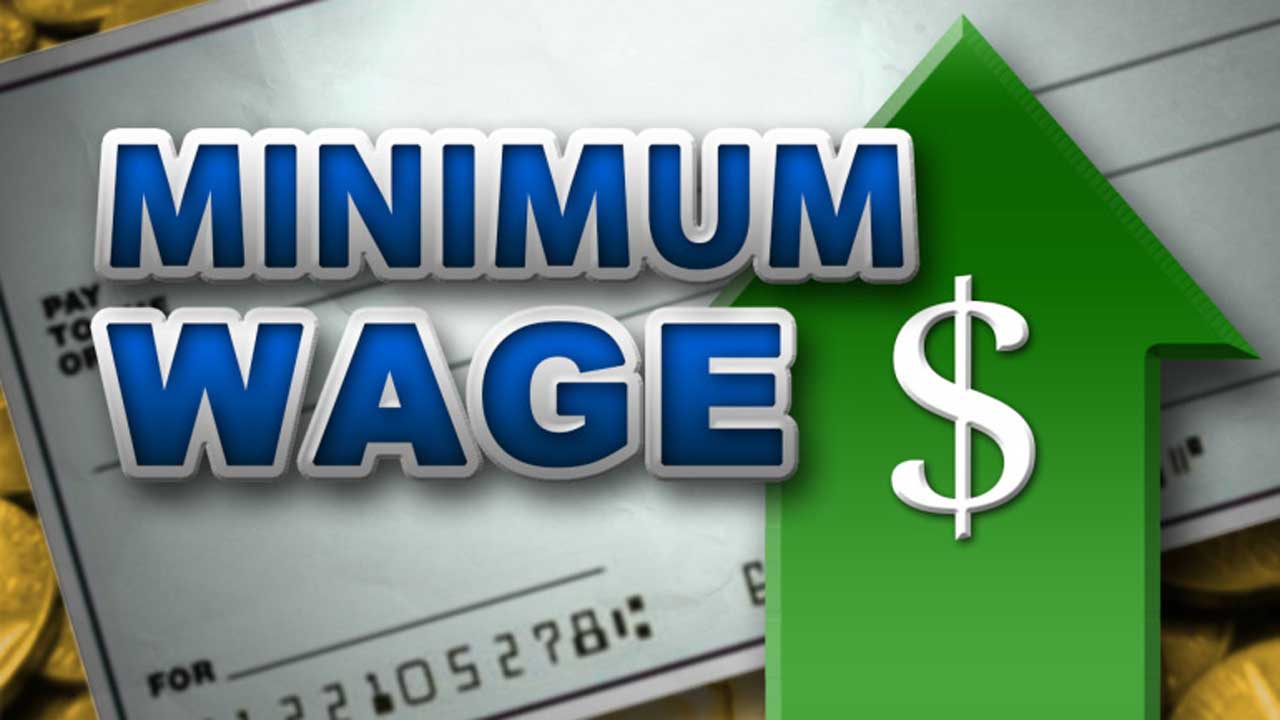
The group has urged state governments to increase civil servants’ pay above the current ₦70,000 minimum, arguing that rising federal revenues remove the excuse for inaction amid a worsening cost of living.
Because of the current situation, he stated, “no state really has an excuse to stay at that ₦70,000, especially with people struggling with the price of gasoline.” We believe that more work has to be done, even if many states are still making significant progress with CNG buses.
“There is still more work to be done in the areas of shelter and food security. After you take care of that, the topic of minimum wage won’t really come up because ₦70,000 will be sufficient to cover the expenses of an ordinary household. Therefore, the quantum is irrelevant. “It concerns what precisely the ₦70,000 can purchase,” the NECA DG said.
Smatt-Oyerinde emphasized that any action intended to alleviate workers’ suffering is necessary to increase the economy and production.
It is crucial to emphasize that workers, whether in the public or private sector, are crucial drivers of the economy of any state and even of the private sector, even though we are not directly involved in the core, actual dynamics of the state, or the socioeconomic challenges that they face.
Additionally, anything that boosts productivity will boost motivation, particularly in light of the upcoming reforms. You would barely be effective at work if you were hungry or not very composed, in addition to having problems finding a place to live or transportation,” Smatt-Oyerinde said.
“So if you see it from that perspective, you realize then it becomes important for you to address the issues that concern that engine,” NECA continued, adding that it was in the best interests of those state governments to view the civil service as the system’s engine.
“And that’s the perception of the private sector because the workers in the private sector are quite critical to productivity, critical to growth of the private sector, and that is the perception we have, that workers are important, then let’s treat them as the ILO said that workers are not commodities,” he said.
The National Minimum salary Act, which President Bola Tinubu signed into law in July 2024, increased the national salary from ₦30,000 to ₦70,000.
States like Imo and Ebony have recently increased worker wages to much beyond N70,000.
To boost the welfare of workers in the state, Imo State Governor Hope Uzodimma authorized raising the minimum salary from ₦70,000 to ₦104,000 on August 27.
Twenty-four hours later, the Ebonyi State Government said that all civil and public personnel would now be paid a minimum wage of ₦90,000, which is ₦20,000 more than the previous salary of ₦70,000.