According to the Presidency, Nigeria is on course to reach its yearly goal for non-oil earnings. The President’s Special Adviser on Information and Strategy, Bayo Onanuga, issued a statement on Wednesday that included new data indicating a dramatic increase in collections due to tax compliance, fiscal reforms, and digitalized revenue systems.
“Nigeria’s Non-oil Revenues Power Strongest Fiscal Performance In Recent History” was the title of the statement. Non-oil revenues increased to N20.59 trillion from January to August 2025, up 40.5% from N14.6 trillion in the same period in 2024, according to figures available for that period.
According to the Presidency, this is Nigeria’s best budgetary performance in recent memory. “The economic underpinnings of Nigeria are changing. Oil is no longer the main source of government funding for the first time in decades, Onanuga stated.
“The task ahead is to ensure these gains are felt in better schools, hospitals, roads, and jobs,” the Presidency said, attributing the increase to structural reforms including enhanced enforcement, automated Customs, and digital tax filings.
Non-oil revenues now make up three out of four naira of total collections, with non-oil sources contributing N15.69 trillion. According to the report, Customs alone made N3.68 trillion in the first half of 2025, which was N390 billion more than the objective and reflected what it referred to as “systemic changes, not one-off windfalls.”
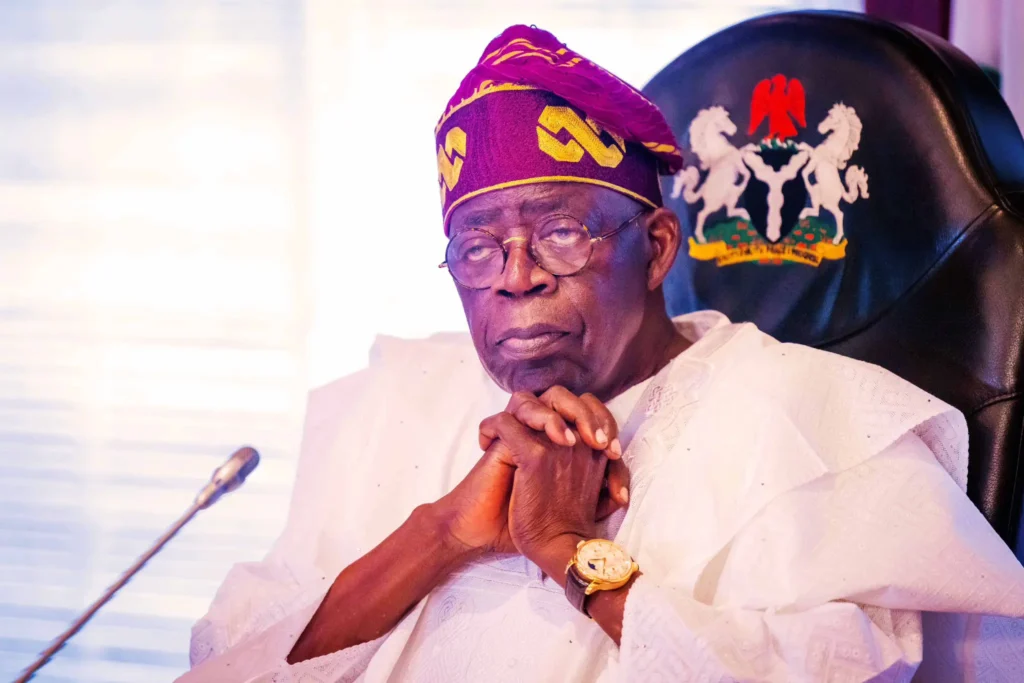
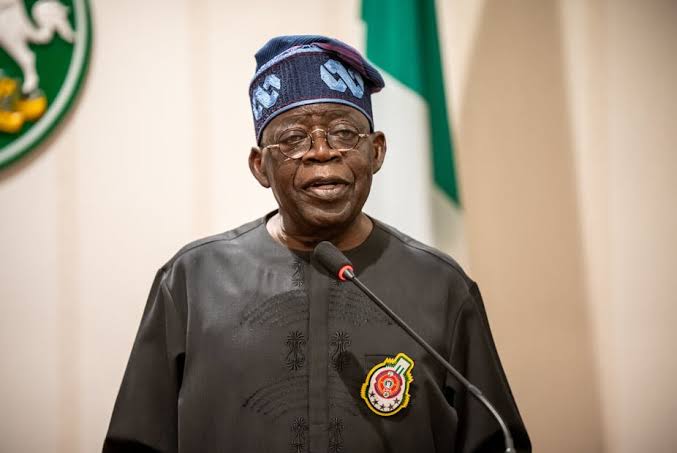
Although exchange rate changes and inflation have helped to increase revenue, the president claims that reform is largely responsible for the benefits. Speaking to a Buhari Organization delegation at the State House on Sunday, President Tinubu cited the income increase as proof that public finances were getting better and mentioned that the Federal Government was no longer taking out loans from regional banks, which relieved pressure on the domestic credit market.
Additionally, the Presidency emphasized a subnational ripple effect. Due to higher Federation Account disbursements, monthly allocations to Nigeria’s 36 states and 774 Local Governments for the first time exceeded N2 trillion in July.
According to officials, states can increase their expenditures on social services, infrastructure, and agriculture thanks to the increased fiscal space, which supports Tinubu’s objective for inclusive growth. The statement said, “Resources are being directed closer to the people,” but it also noted that the President’s goals for increased expenditure on infrastructure, healthcare, and education are still not being met by current revenue performance.
Even with the optimistic prognosis, declining crude prices and missed production goals continue to put pressure on oil-related income. The trend of non-oil progress remained unchanged, according to the Presidency, while overall revenue performance was impacted.
According to the announcement, the Budget Office will provide the final year-end certification of fiscal targets. “The base is growing, revenues are increasing, and reforms are having an impact. The Presidency added, “The priority is turning these figures into tangible relief for citizens by putting food on the table, giving young people jobs, and investing in roads, schools, and hospitals.”