
The Nigeria Customs Service recently imposed a four percent Free on Board fee on all imported products, but the Federal Government (FG) has postponed its implementation.
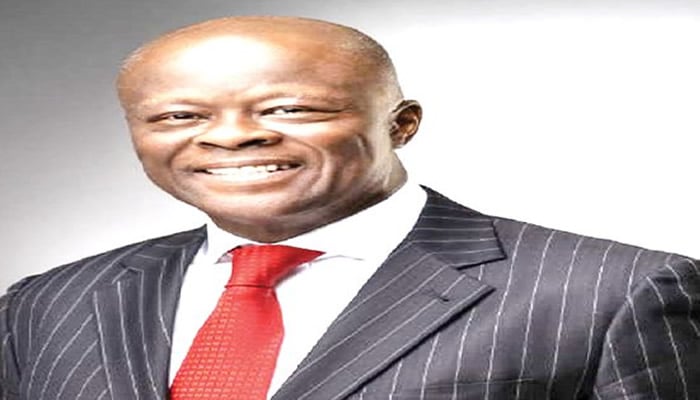
Following significant worries about the levy’s detrimental economic effects from importers, trade experts, and other industry stakeholders, the decision was made public by Mr. Wale Edun, Minister of Finance and Coordinating Minister of the Economy.
In his role as Chairman of the NCS Board, Mr. Wale Edun sent a letter to the Comptroller-General of Customs on Monday, September 15, 2025, directing the tax to be immediately suspended.
According to the letter, which was signed by Mr. Raymond Omachi, Permanent Secretary for Special Duties in the Ministry of Finance, in-depth discussions with experts and stakeholders revealed that the charge would significantly impact the economy and commerce.
The introduction of the levy presents serious obstacles to trade facilitation, the business environment, and general economic stability, the letter said after lengthy discussions with industry players, trade experts, and pertinent government authorities.
The levy would worsen inflation, raise the cost of goods, and reduce Nigeria’s trade competitiveness, according to numerous warnings from stakeholders, especially importers and business owners.
The charge, according to many, would make it more difficult to lower the cost of doing business in the nation.
The ministry claims that the suspension is intended to make space for additional discussions with all pertinent parties and a thorough examination of the structure of the levy and its long-term effects on the economy.
Following stakeholder talks, Adeniyi, the Comptroller-General of Customs, announced plans to reinstate the 4% charge in April 2025. The business community had previously criticized the levy for placing a significant burden on importers because it was based on the Free on Board value of imports.
Traders, shipping firms, and industrial associations swiftly criticized the proposal, arguing that it would undermine investor trust and make Nigeria less appealing as a trading hub.
The finance ministry explained that the suspension was a necessary pause to examine the possible implications of the charge, not a cancelation. The government’s commitment to striking a balance between economic growth and revenue creation was emphasized by the ministry.
In order to create a more effective and equitable revenue structure that supports government revenue without jeopardizing trade or economic stability, the Ministry of Finance is eager to collaborate closely with the Nigeria Customs Service and all pertinent stakeholders, the statement continued.
It is anticipated that the government will continue to consult with importers, freight forwarders, and trade associations in order to create a more equitable system that does not place an undue burden on companies. According to analysts, this review period gives authorities the chance to match Customs policies with more extensive economic reforms meant to stabilize the naira, lower inflation, and raise Nigeria’s standing in terms of ease of doing business.
For the time being, importers have praised the ruling as a respite in a difficult economic climate. However, industry experts warn that in order to prevent disruptions in trade and investment flows, the government must make sure that any future revenue measures are carefully calibrated.