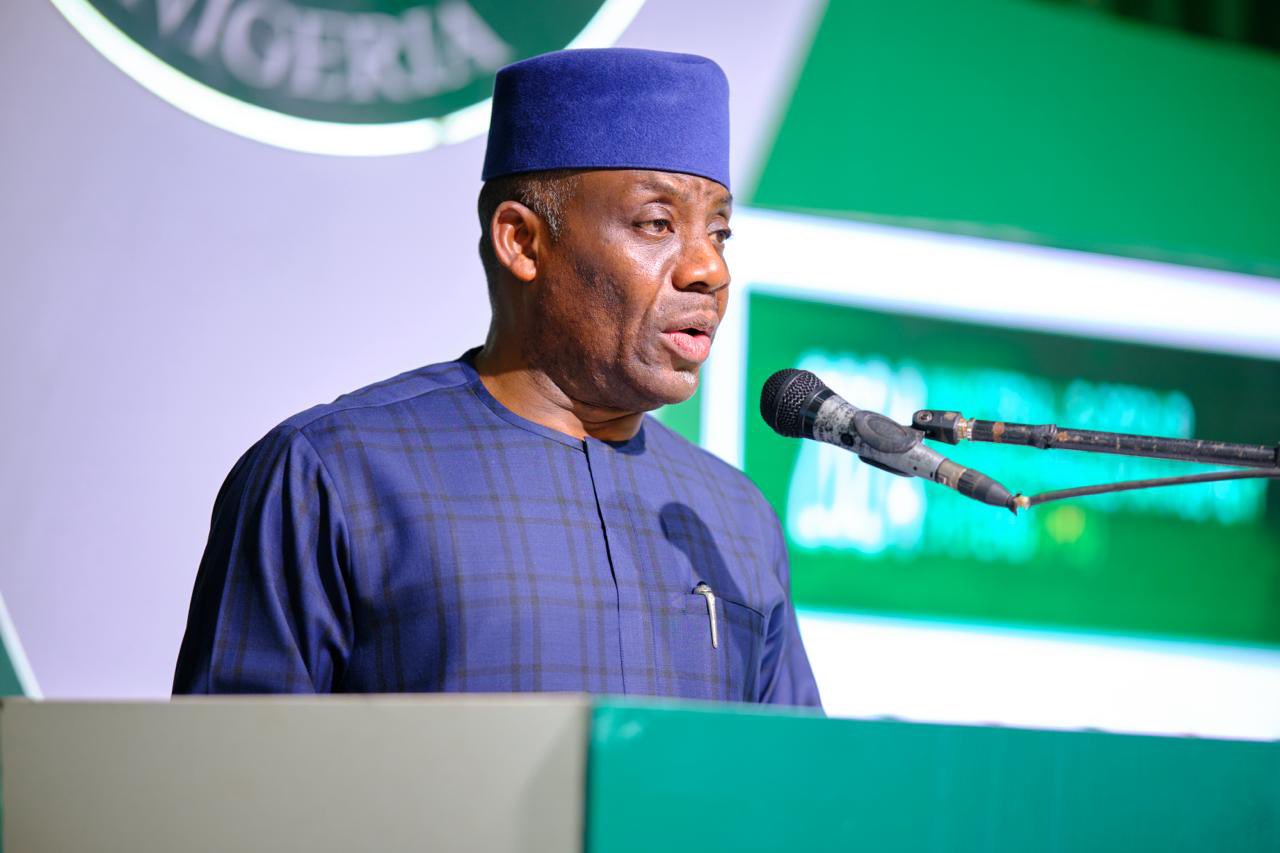
“Under President Bola Tinubu, capital projects are distributed fairly. No zone is going to be neglected.
The Federal Government is actively going above and above to support a number of subnational infrastructure projects. For example, N150 billion and N100 billion Naira have been secured for the light rail projects in Kano and Kaduna States, respectively.
“With the financial autonomy that the President is determined to fully make operational, Local Government Areas are also being fiscally reintegrated as catalysts for growth and development,” Idris stated.
According to the Minister, all state governments now receive many times as much money from the federation account as they did in the past.
He praised President Tinubu for what he described as unprecedented budgetary allocations to the education sector, which had made it possible to upgrade infrastructure, train teachers, and implement the Nigeria Education Sector Renewal Initiative (NESRI).
“Education is not just about classrooms and textbooks; it is about shaping the destiny of our children and the prosperity of our nation.” “That future cannot be built in silence, it must be explained, debated, supported, and embraced by the Nigerian people,” he said.
Alausa highlighted NESRI’s six focus areas and listed a number of accomplishments, such as the expansion of Technical and Vocational Education and Training (TVET), which saw 58,000 students matched with training centres and over 960,000 applications processed on the new digital platform.
He announced that federal and several state technical colleges would provide free tuition, boarding, and stipends starting with the 2025–2026 school year.
The minister highlighted the following achievements in basic education during the previous six months: Nearly 4,900 new classrooms are being built, and 3,000 existing classrooms are being renovated.
“Provision of over 353,000 furniture items, helping roughly 2.3 million students.”
He went on to say that the ministry has reintegrated 35,000 students, identified about a million out-of-school youngsters, and was preparing to launch bilingual smart schools in 33 states.
Alausa emphasised how crucial public participation and awareness are to the success of educational changes.
“Policies and programs by themselves cannot be successful unless stakeholders and the Nigerian public understand, trust, and actively support them.”
“Transformative projects have been secretly started for far too long, with little awareness outside of those directly involved.
“This frequently results in misunderstandings, opposition to change, or a lack of ownership among the people the programs are intended to assist.”