In order to prepare Nigerian students for the future, the Federal Government claimed to have finished a thorough review of the basic, senior secondary, and technical education curricula.
This was revealed in a statement released to journalists on Sunday and signed by Boriowo Folasade, the Ministry of Education’s Director of Press and Public Relations, on Friday.
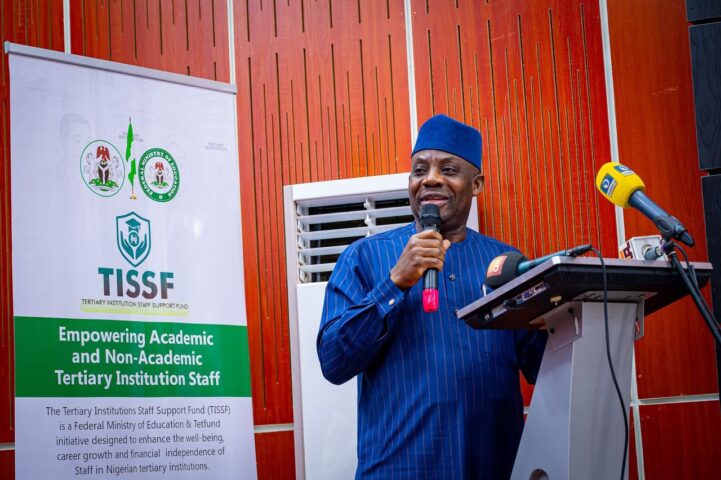
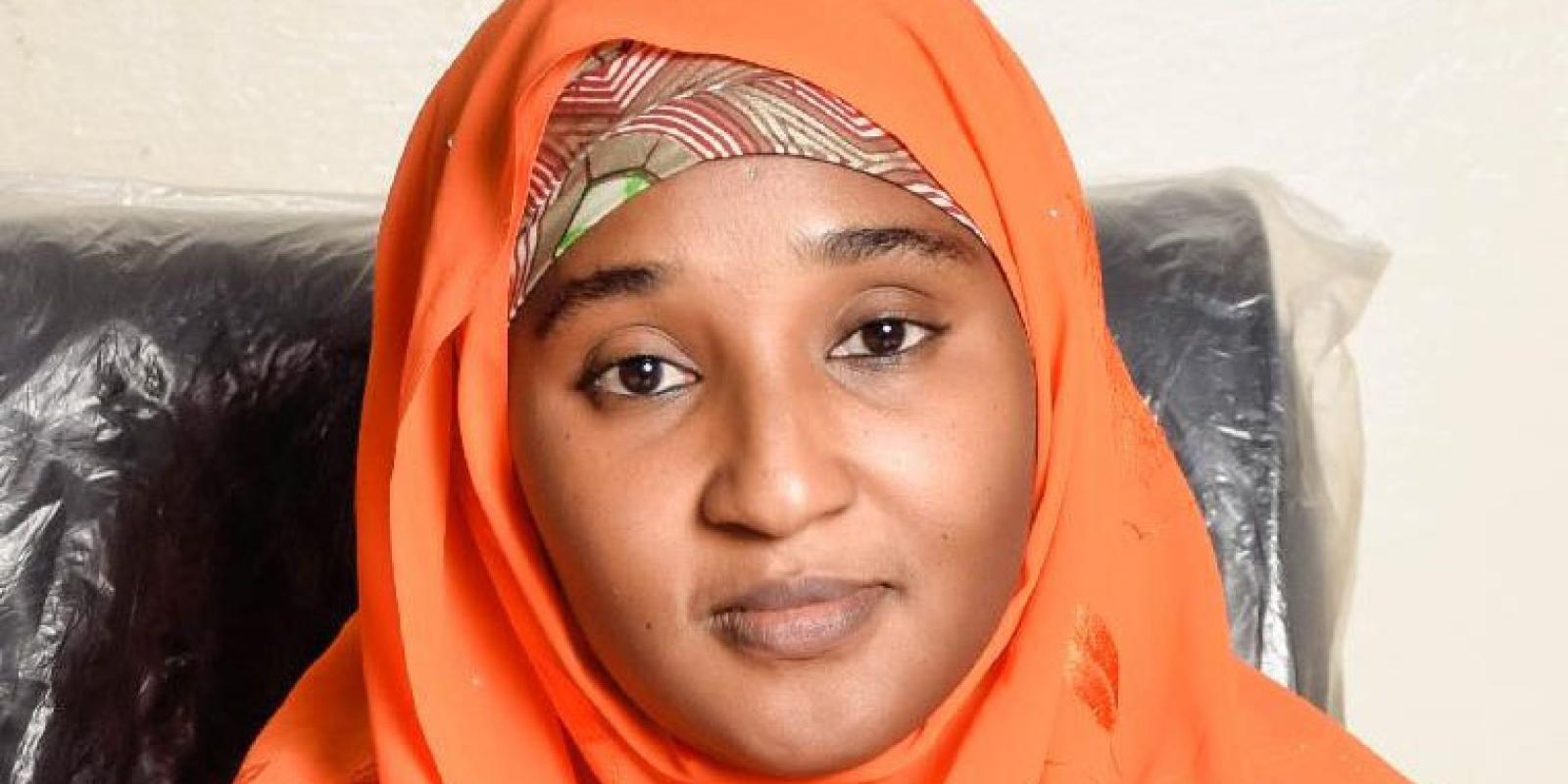
Speaking in Abuja, Folasade claimed that Prof. Suwaiba Ahmad, the Minister of State for Education, has unveiled the curriculum on behalf of Dr. Maruf Alausa, the Minister of Education.
In cooperation with important education stakeholders, such as the Nigerian Educational Research and Development Council, the Universal Basic Education Commission, the National Senior Secondary Education Commission, and the National Board for Technical Education, the review was conducted, the minister said.
The new framework aims to improve learning outcomes, lessen content overload, and guarantee that Nigerian students have the skills necessary to meet the demands of the modern world.
Ahmad emphasised that the process went beyond simply cutting subjects and instead concentrated on enhancing the content to encourage deeper learning and lessen student overload.
Students in Primary 1–3 will study a minimum of nine and a maximum of ten topics under the new structure, while those in Primary 4–6 will study ten to twelve subjects.
Twelve to fourteen subjects may be offered to junior secondary students, eight to nine to senior secondary students, and nine to eleven to technical institutions, according to the statement.
According to Ahmad, the government’s dedication to providing high-quality, applicable, and relevant education in a world that is changing quickly is reflected in the updated curricula, which will lessen content overload and provide students more time for study.
In order to guarantee a seamless transition among schools across the country, the Ministry of Education praised stakeholders for their participation in the evaluation and stated that rigorous monitoring will accompany implementation.
The ministry stated that the new curricula will be implemented gradually under the supervision of pertinent organisations to ensure successful adoption, although it did not provide a specific timeframe for implementation.
Keep in mind that Alausa had declared that the updated basic education curriculum will not be implemented until September 2025.
The postponement came after Prof. Tahir Mamman, the immediate past education minister, declared that the new basic education curriculum will be implemented in all schools starting in January 2025.
According to Mamman, students would need to learn at least two skills as part of the new basic school curriculum.