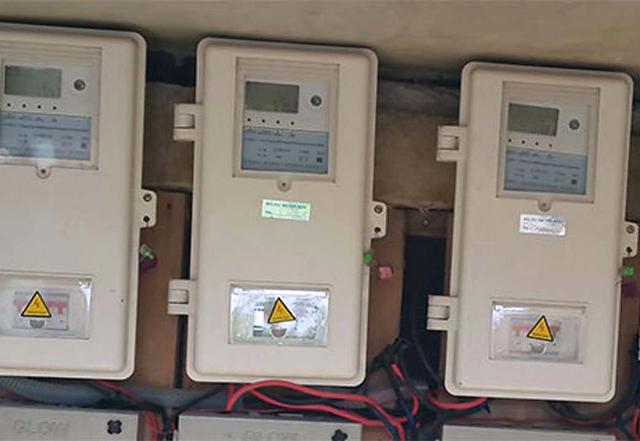
According to the Nigerian Electricity Regulatory Commission’s (NERC) factsheet on the Metering Status of Distribution Companies, which was released on Wednesday, 148,077 electricity customers were metered nationwide in May and June 2025. Of these, 63,180 customers were metered in May and 84,897 in June, bringing the total number of metered customers nationwide to 6,422,933 as of June 2025.
This represents a slight increase in the national metering rate from 53.78 percent in May to 54.33 percent in June. The country’s total active electricity customers increased slightly from 11,784,842 in May to 11,821,194 in June, according to NERC data.
In terms of performance, Ikeja DisCo had the greatest metering rate (84.65%), followed by Abuja (70.06%) and Eko (83.33%). Yola had the lowest metering rate at the bottom, at 28.55 percent, followed by Jos and Kaduna, at 29.51 and 33.46 percent, respectively.
After installing 12,376 new meters, Aba DisCo’s metering rate increased from 37.88 percent in May to 45.17 percent in June, making it the most improved company, according to the study. According to NERC’s data, Benin DisCo also surpassed the 50% threshold, rising from 49.95 to 50.33 percent in the same time frame.
.
Millions of clients are still unmetered and vulnerable to anticipated billing because seven of the 12 DisCos are still below the 50% metering rate, notwithstanding the advancements. The commission upheld its policy of establishing monthly energy caps for all feeders in reaction to the pervasive use of estimated billing, which is frequently attacked by customers as being arbitrary.
Based on the feeder’s overall energy consumption and the usage patterns of metered consumers, these caps outline the highest amount of energy that can be charged to an unmetered client. But according to reports, a large number of DisCos continued to overcharge their clients, which led to the regulator’s sanctions.
Along with billing problems and service outages, metering has continued to rank among the top reasons for customer discontent in the commission’s several quarterly reports.