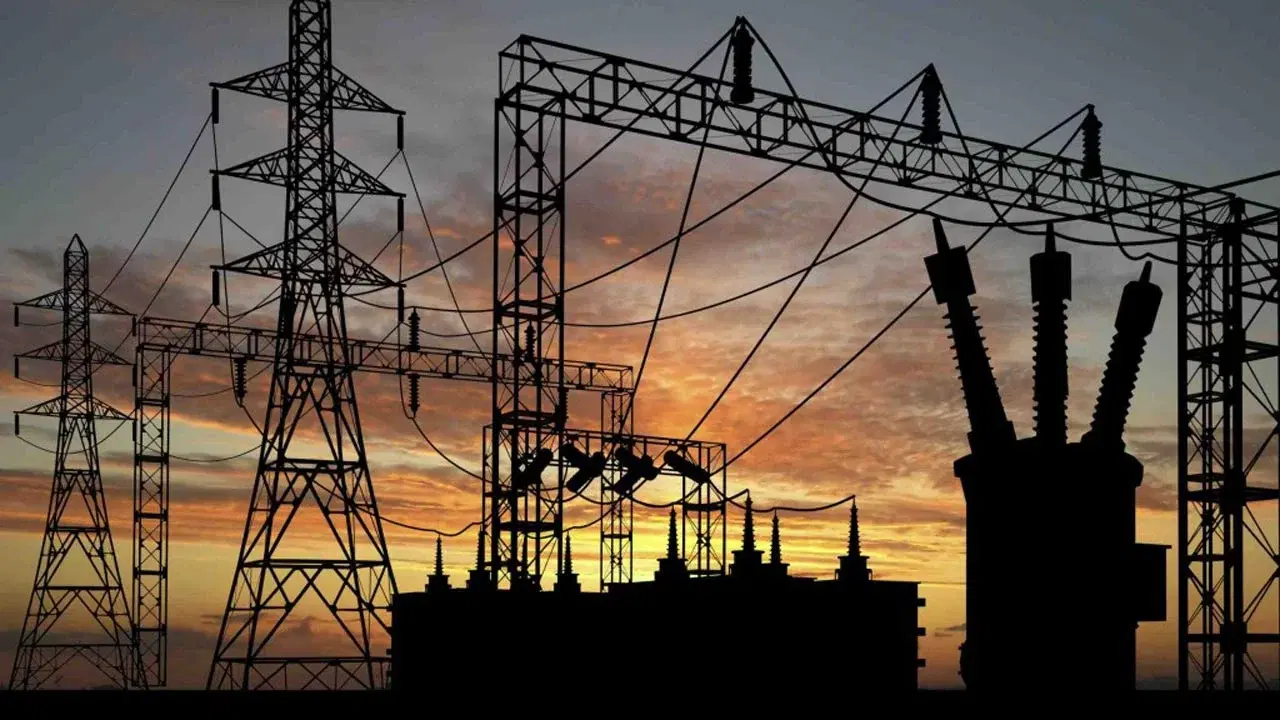
On Tuesday morning, as the second day of the oil and gas workers’ strike over a dispute with Dangote Petroleum Refinery began, Nigeria’s power supply dropped below the 4,000 megawatt mark.
The $20 billion Dangote Refinery and the Petroleum and Natural Gas Senior Staff Association of Nigeria (PENGASSAN) are at odds over the company’s alleged 800 employee layoffs.
Grid supply checks revealed that load allocation to power distribution companies had decreased to 3,656MW as of 7 a.m., from 4,320MW the day before. Ikeja Electric received 530MW, Abuja DisCo received 537MW, and Eko DisCo received 451MW.
The majority of gas-fired thermal power facilities were off the grid, and the primary suppliers were Egbin (447MW) and Delta (472MW).
In response to the development, the Nigerian Independent System Operator (NISO) announced in a statement on Tuesday morning that “these disruptions triggered widespread gas shortages, reducing available generation from over 4,300 MW in the early hours of Sunday, 28th September 2025, to about 3,200 MW at the lowest point.” NISO attributed the generation shortfall to PENGASSAN’s industrial action within the gas supply chain.
“In response, the NISO promptly deployed contingency measures to preserve the stability, security, and reliability of the National Grid. Key interventions include: “Hydropower Optimization: Strategic ramp-ups from major hydro stations, contributing over 400 MW of additional output to cushion the shortfall from gas-fired plants.
“ In order to prevent a system frequency collapse, generation dispatch and load balancing use real-time load changes to balance available generation with system demand. Voltage and Frequency Support: To protect system integrity, reactive power compensation and reserve monitoring are continuously deployed.
“Demand-Side Management: Selective load shedding, used as a last resort to ensure equitable power distribution and prevent a system-wide collapse.”
According to the agency, “by taking prompt action, the NISO NCC was able to prevent a nationwide blackout, maintain operational security, and lessen the impact of labor-induced gas shortages.”
“To ensure a safe and dependable electricity supply for the country, the System Operator reaffirms its commitment to proactive grid management, operational excellence, and the application of best-in-class practices,” the statement continued.